

CASE STUDY: Odor Control in Wastewater
ODOR CONTROL IN A FOOD WASTEWATER TREATMENT PLANT
Wastewater treatment plants in the food industry are among the most challenging sources of odors to manage: open tanks, multiple treatment stages, the presence of decomposing organic matter, and often a critical proximity to residential or sensitive areas. The challenge is not only to eliminate odors but to do so while complying with legal limits and maintaining sustainable operating costs over the long term. BMB Purification steps in precisely in these scenarios, identifying the actual sources and designing targeted solutions, often directly on the existing plant.

CLIENT’S NEED
Eliminate odors emanating from multiple points in a food processing plant’s wastewater treatment system, ensuring compliance with legal limits at the lowest possible operating and capital costs.

TECHNOLOGY USED
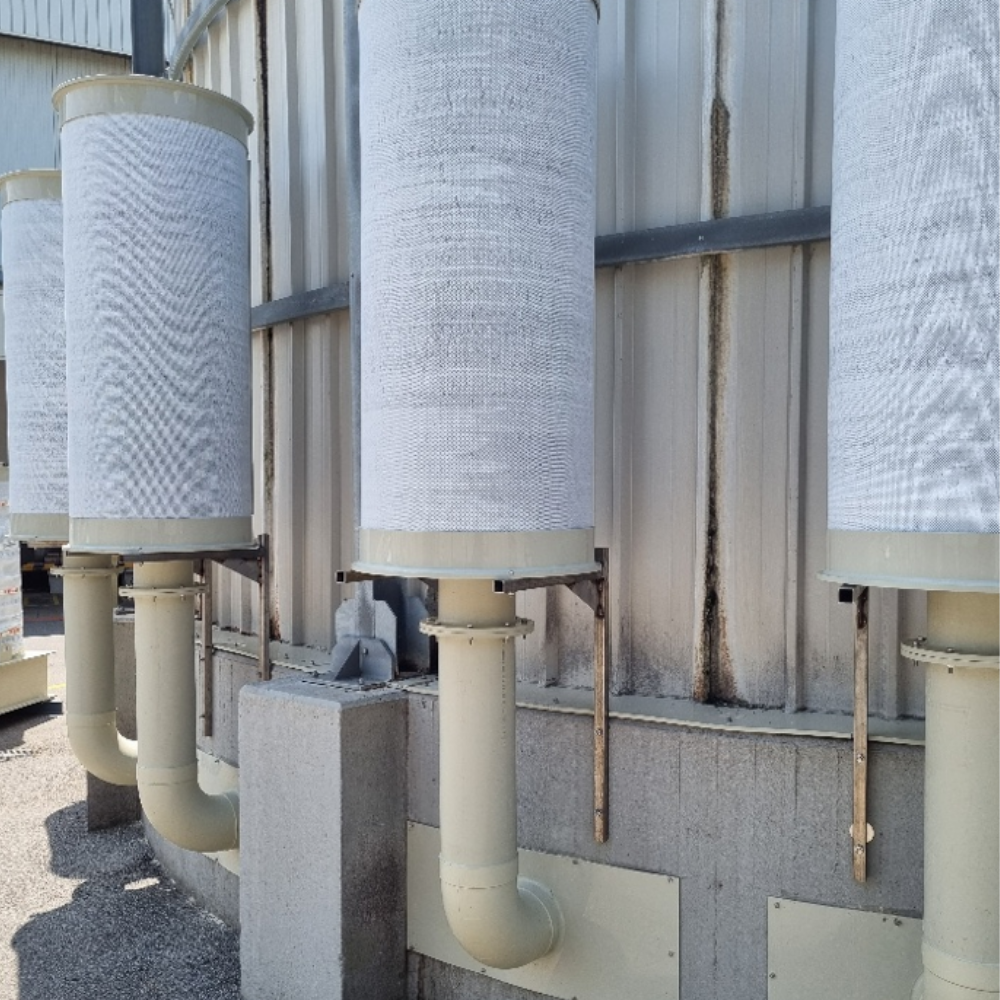
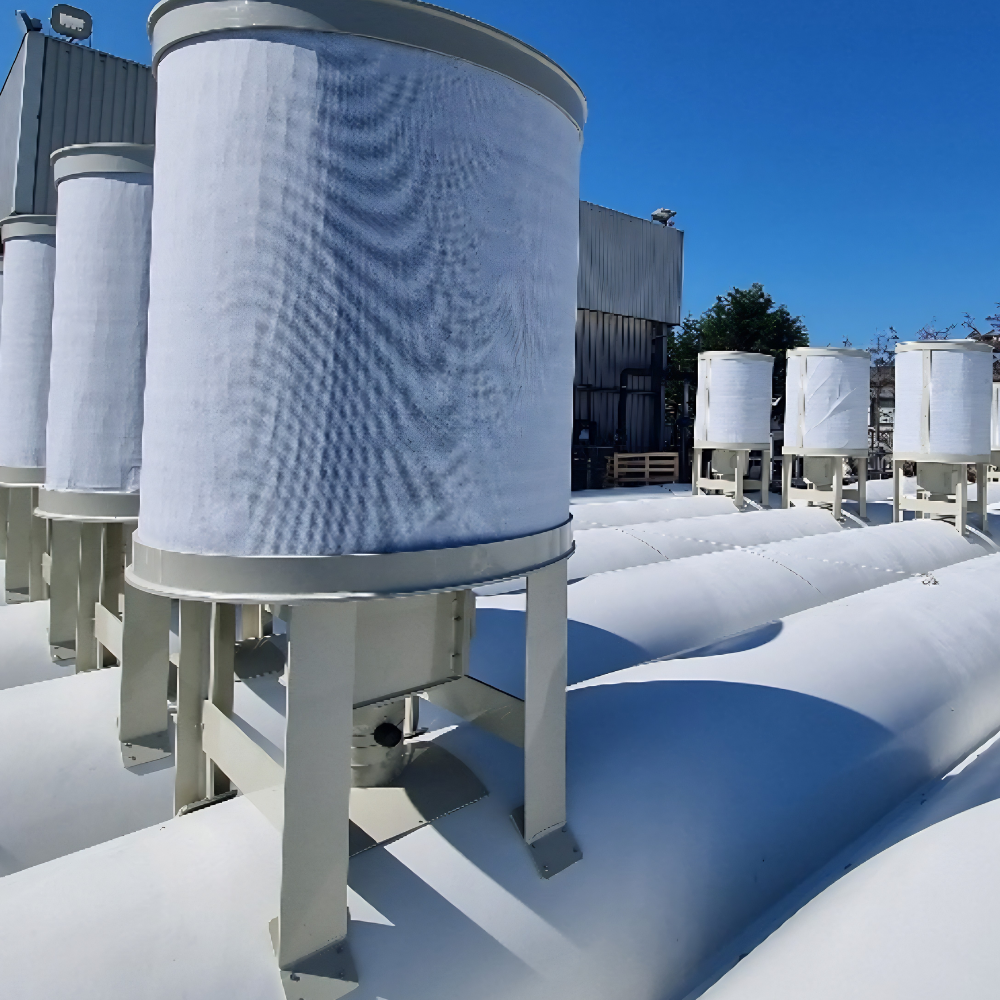
Selective covering of tanks and installation of photocatalytic filters without the need for forced ventilation or additional energy consumption. 24/7 continuous odor monitoring system

RESULTS
Odors are neutralized in full compliance with legal limits, with analytical results validated by ARPAT and real-time monitoring of the impact on sensitive outdoor locations.
that others don’t know how to treat.
AMONG OUR CLIENTS



















WHY MODIFYING AN EXISTING SYSTEM IS MORE DIFFICULT BUT OFTEN THE MOST EFFICIENT CHOICE
Replacing a water treatment system is almost never the right answer. The correct approach is to work on the existing system, identify critical emission points, and design targeted interventions that do not interrupt the production cycle. Over 70% of BMB projects are carried out exactly this way: on systems that the customer cannot shut down and that require solutions compatible with the available space and existing technologies. In this case, we worked section by section, selecting the most suitable technology for each one, without disrupting what was already functioning.
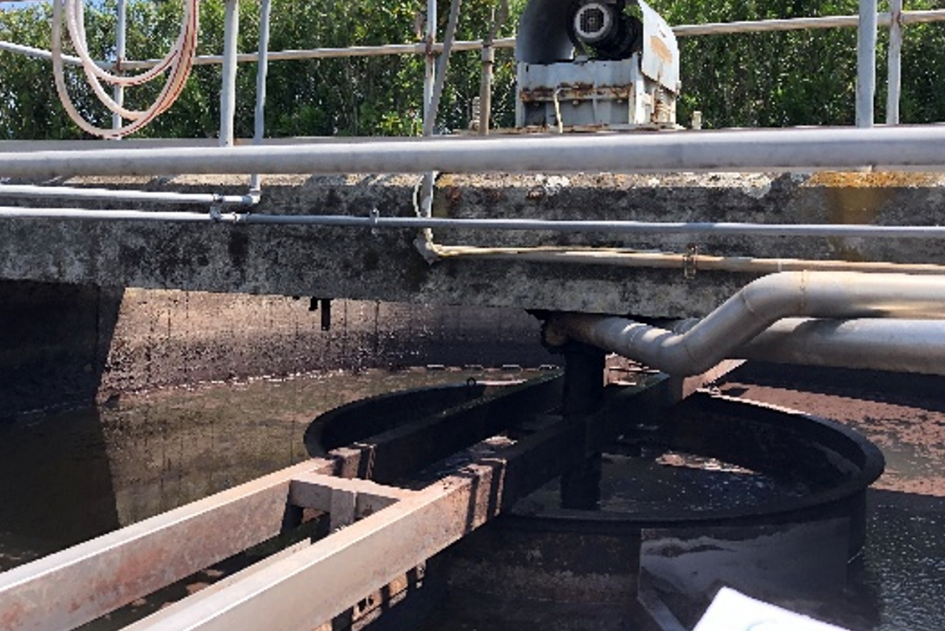
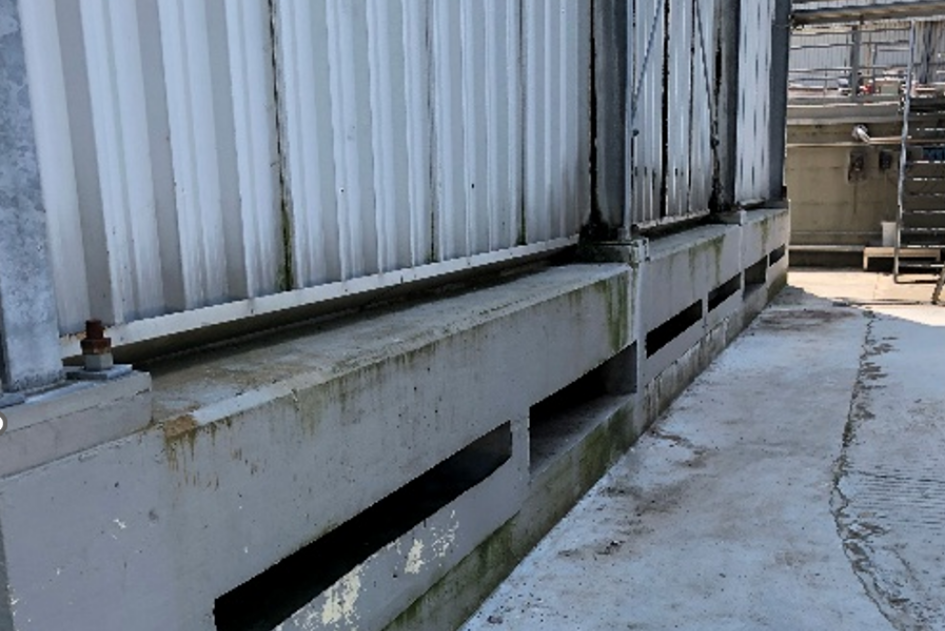
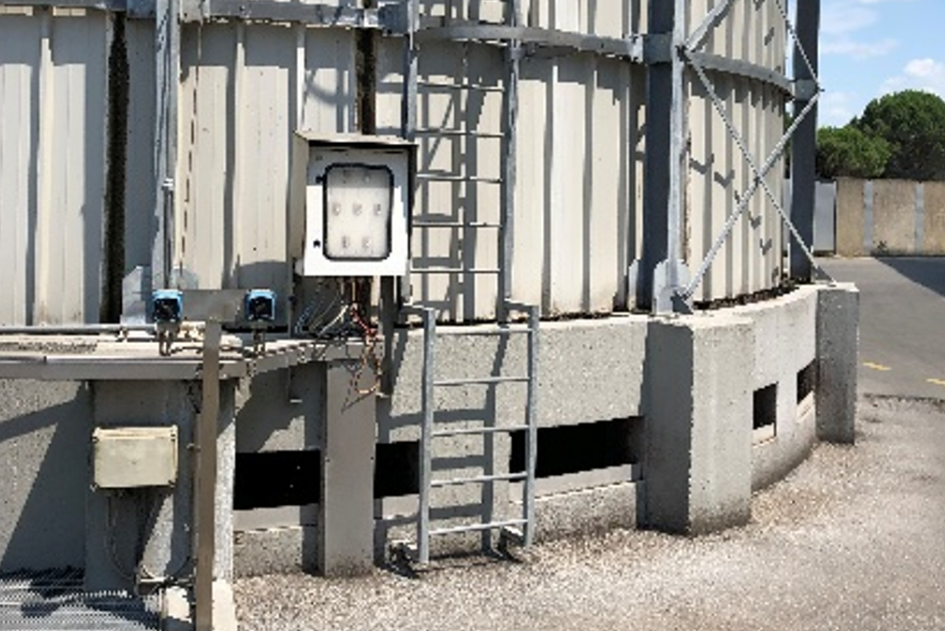
POOL COVERS AND PASSIVE PHOTOCATALYTIC FILTRATION
SOLUTIONS IMPLEMENTED
After identifying the various odor sources within the treatment plant, we designed a modular, phased approach tailored to each critical section. The solution includes:
- Identification of odor sources within the various sections of the treatment plant
- Targeted covering of tanks with the greatest odor impact
- Installation of passive photocatalytic filters, requiring no air extraction and consuming no energy
- 24/7 continuous odor monitoring system, with detection of odor drift at sensitive outdoor locations
- Interventions scheduled over time, in coordination with regulatory agencies, starting with the most critical areas
RESULTS
The installed treatment systems have made it possible to eliminate odors while fully complying with the limits set by current regulations. The continuous monitoring system allows the client to track emissions at sensitive outdoor locations 24 hours a day, transforming a compliance issue into manageable data.
The analytical results, obtained in the presence of ARPAT, confirmed compliance with legal limits and, equally important, have strengthened a collaborative relationship with regulatory agencies, based on objective and transparent data..
TURNKEY PLANT
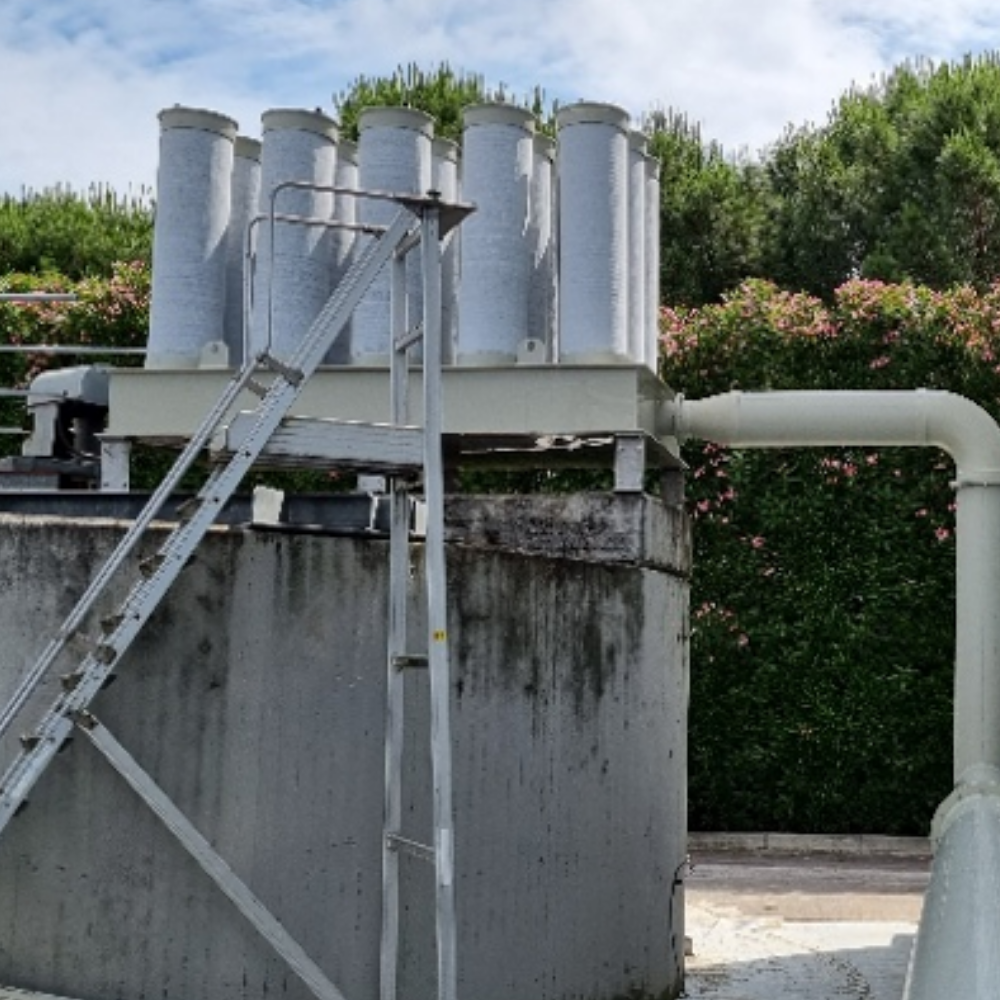
Each industrial air filtration system plant realized by BMB is custom designed after thorough field study. The initial study of condition, context and potential problems allows or technicians to propose targeted and tailored solutions, appointed plants and specific technologies for any kind of problem.

MANUFACTORING AND INSTALLATION
Each plant produced by BMB is designed, built and tested in-house. The installation is planned and carried out by our specialized technicians.

MAINTENANCE ASSISTANCE
BMB offers complete and custom service for plant assistence and maintenance: oordinary maintenance, extraordinary availability and remote monitoring.
PLANT DESIGN
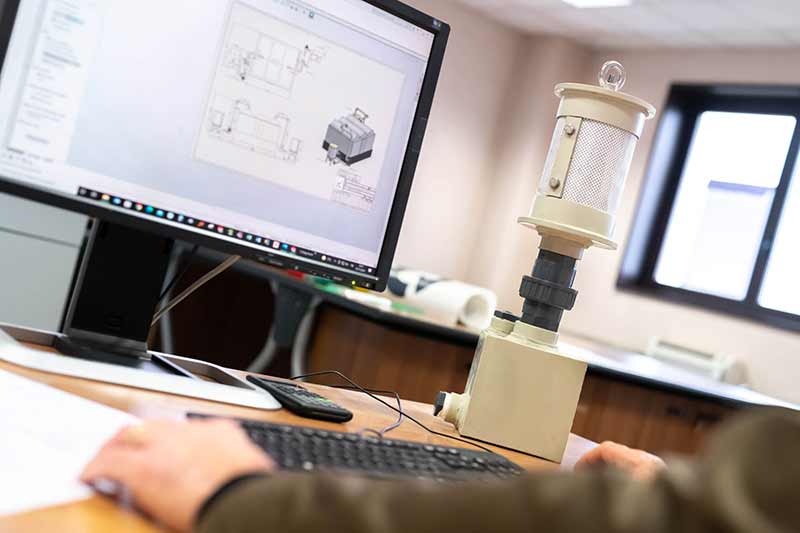
Our plants are designed in compliance with the most updated law and engineering standars, are applied to needs of client so as optimize the investment.
FAQs: Questions and Answers
How can odors be eliminated in a food waste water treatment plant without shutting down the system?
The most effective approach to upgrading an existing wastewater treatment plant is a modular one. This approach allows work to be carried out section by section, spreading the investment over time without interrupting production. It is particularly well-suited for food processing plants with treatment facilities in compact spaces or located near residential areas.
Are photocatalytic filters effective even without air extraction?
Yes. Photocatalytic filters work by coming into direct contact with the air passing through them, thanks to the natural ventilation provided by the covered tanks. This eliminates the need for fans, exhaust ducts, and the associated electricity consumption, drastically reducing operating costs.

