

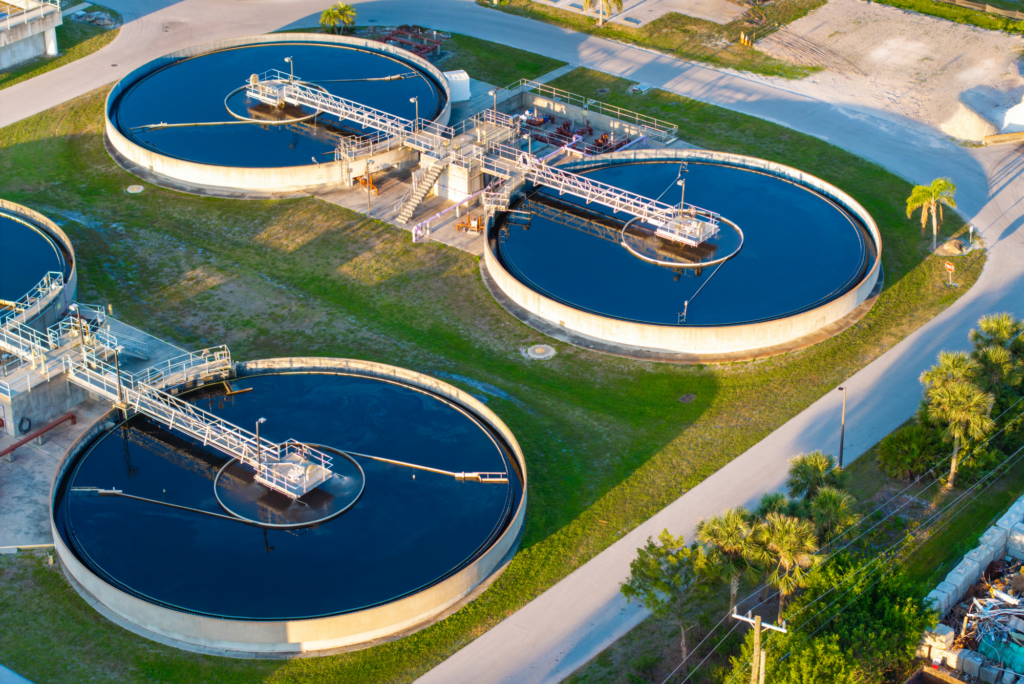
CASE STUDY: industrial odour treatment
OLFACTOMETRIC ANALYSIS
Certain industrial production wastes – particularly in the food industry – can give rise to odor and disposal issues, the resolution of which is often very costly, both financially and in terms of the time and resources required. Manure, malodorous waste, and unwanted byproducts are just a few examples of odor sources whose associated problems are solved daily by BMB thanks to its solutions for industrial odor treatment and air purification for food processing facilities.

CUSTOMER REQUIREMENTS
Identification of the causes and sources of offensive industrial odors. Treatment and elimination.

TECHNOLOGY USED
Dynamic olfactometry using a sensory analyzer combined with an anemometer and an odor diffusion model.

RESULTS
The most significant sources have been identified, and a series of targeted measures has been developed to reduce odor emissions, starting with the sources most noticeable outdoors.
that others don’t know how to treat.
AMONG OUR CLIENTS



















WHEN A PRELIMINARY INVESTIGATION IS NECESSARY
Many suppliers recommend an abatement system as their first solution. BMB Purification takes a different approach: diagnosis first, then treatment. Over 70% of our projects involve existing, operational systems, where we cannot afford to misidentify the source of the problem. We use a preliminary odor survey when the complexity of the situation – as in this case- requires us to understand the problem before taking action.
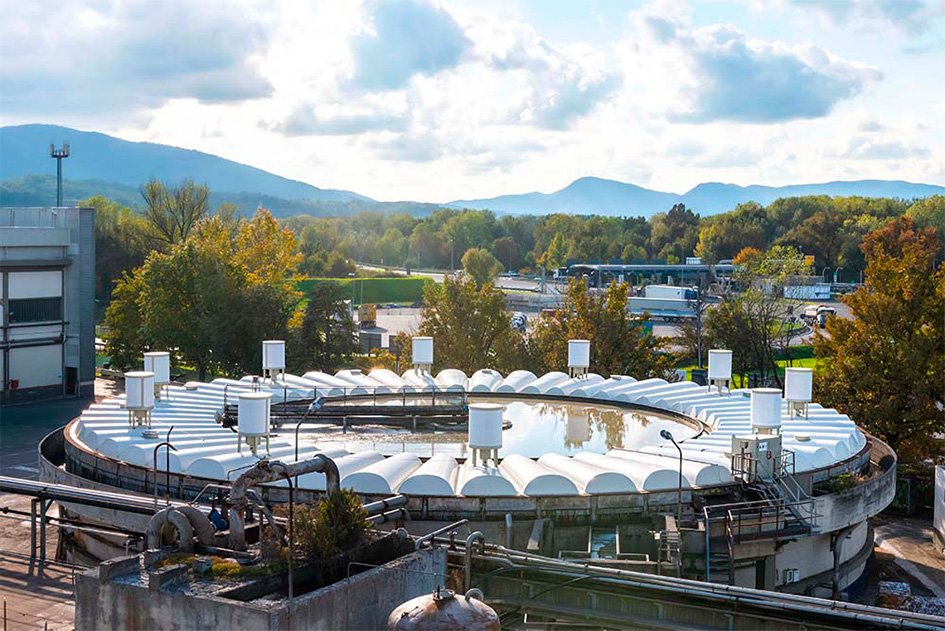
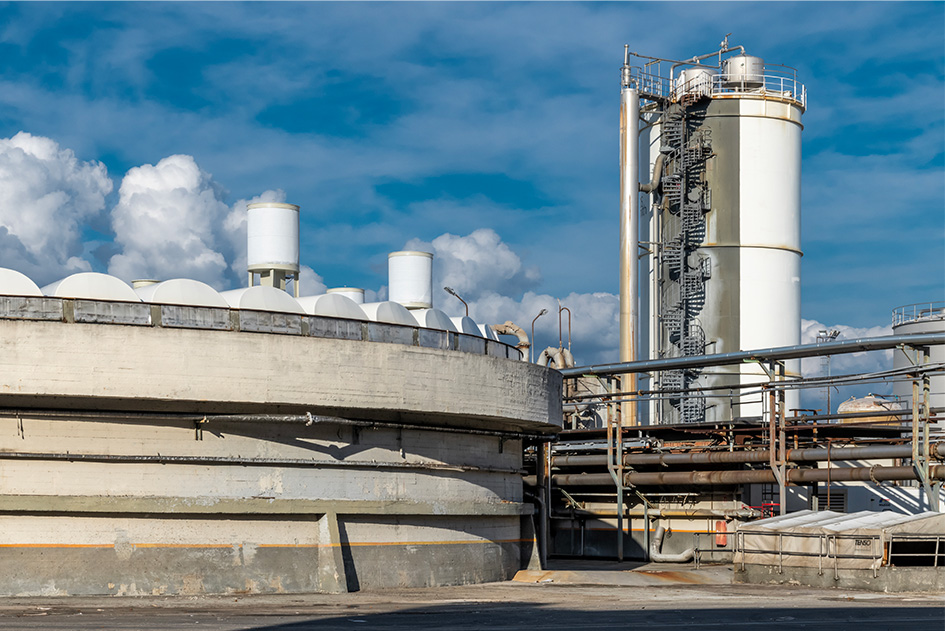
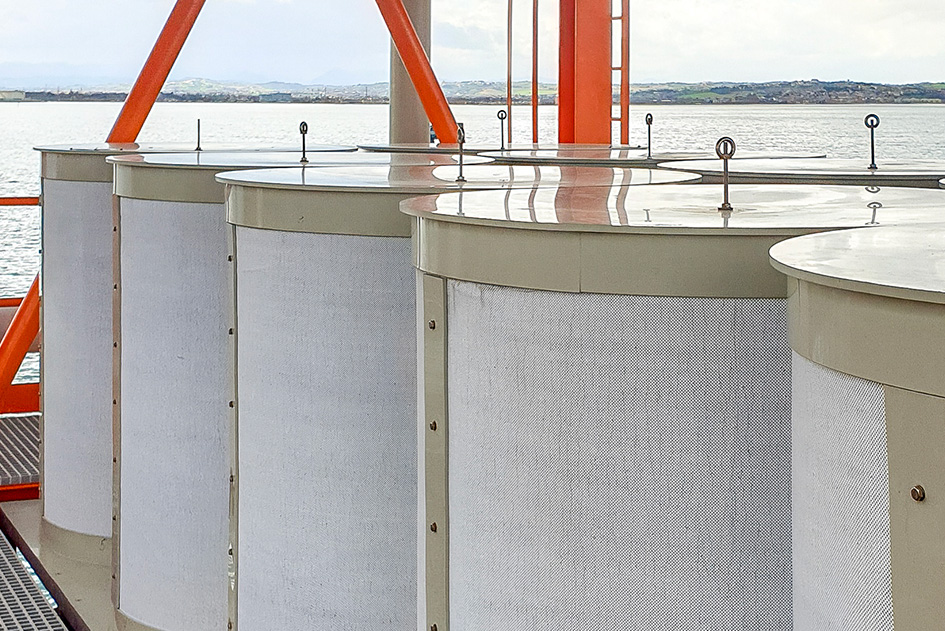
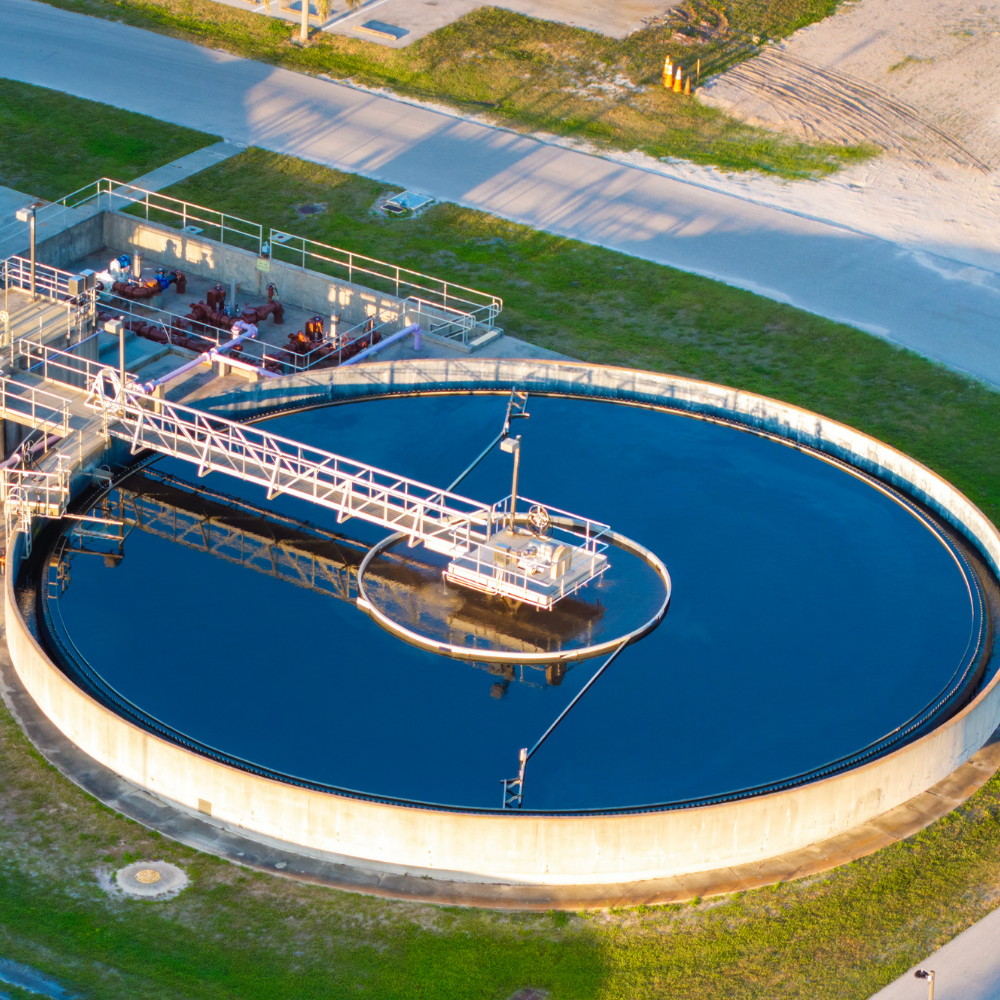
IDENTIFICATION OF ODOR IMPACTS THROUGH DYNAMIC OLFACTOMETRY OF INDIVIDUAL SOURCES
SOLUTIONS IMPLEMENTED
We conducted an olfactometric study using both dynamic olfactometry and a sensory analyzer combined with an anemometer and an odor diffusion model.
The integrated solution includes:
– Identification of odor impacts through dynamic olfactometry of individual sources;
– Characterization of the odor profile of each source;
– Identification of the sources most strongly perceived outdoors.
THE RESULTS
The sources with the greatest external impact have been identified and prioritized.
Based on this assessment, the client received a series of targeted measures designed to reduce odor emissions by addressing the issues that actually affect the neighborhood, rather than those that “seem” to be the most malodorous within the facility.
TURNKEY PLANT
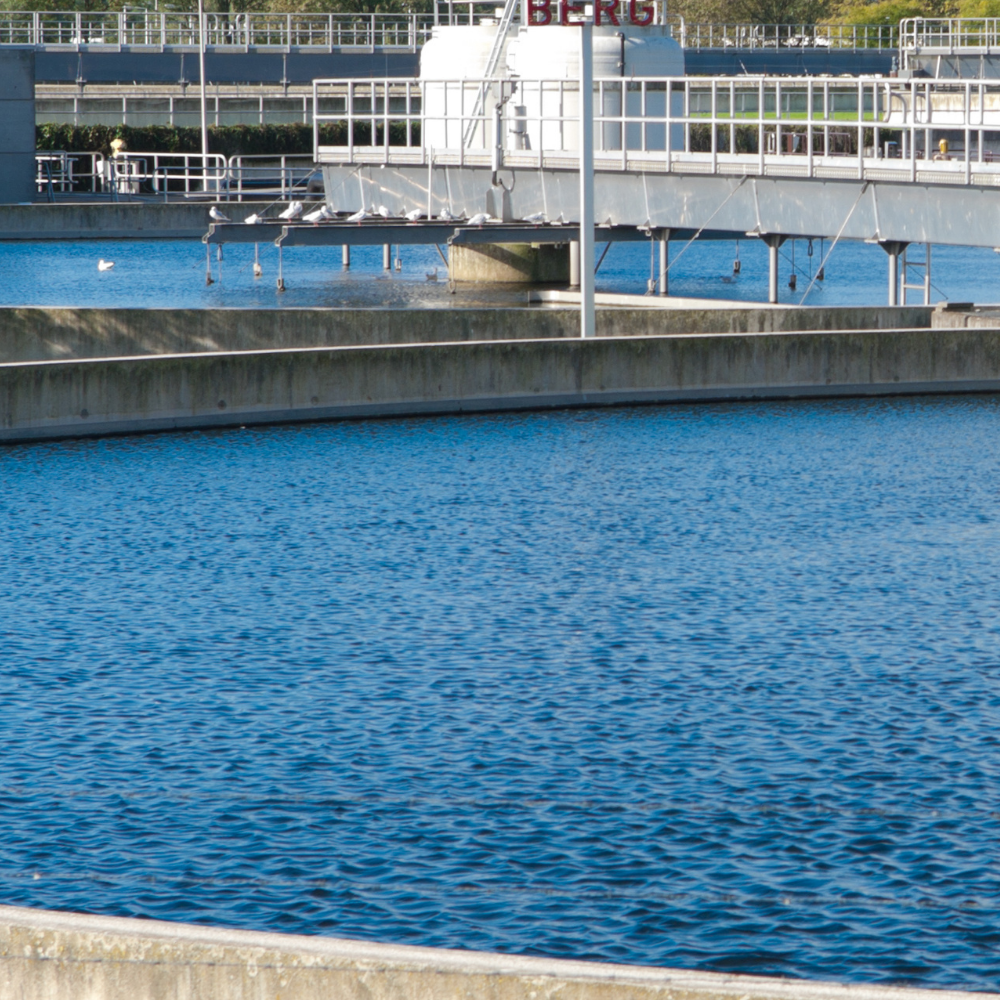
Each industrial air filtration system plant realized by BMB is custom designed after thorough field study. The initial study of condition, context and potential problems allows or technicians to propose targeted and tailored solutions, appointed plants and specific technologies for any kind of problem.

MANUFACTORING AND INSTALLATION
Each plant produced by BMB is designed, built and tested in-house. The installation is planned and carried out by our specialized technicians.

MAINTENANCE ASSISTANCE
BMB offers complete and custom service for plant assistence and maintenance: oordinary maintenance, extraordinary availability and remote monitoring.
PLANT DESIGN
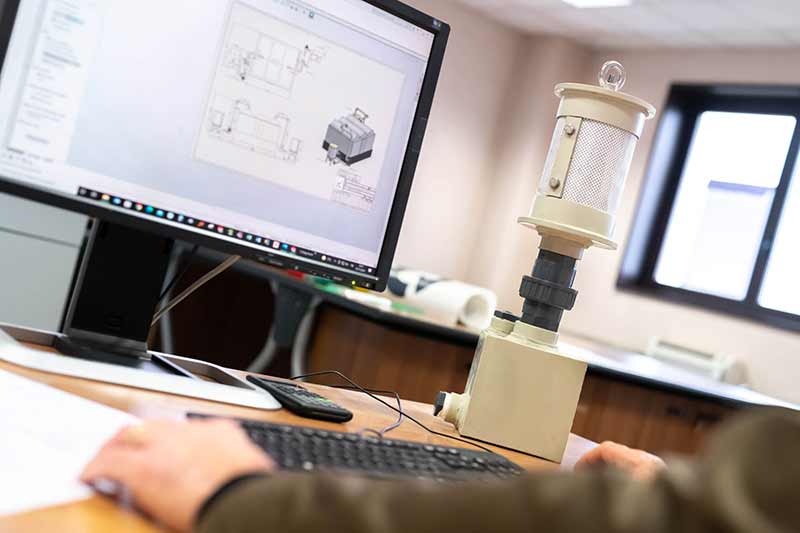
Our plants are designed in compliance with the most updated law and engineering standars, are applied to needs of client so as optimize the investment.
FAQs: Questions and Answers
How do you identify the sources of odor in a wastewater treatment plant?
Using an olfactometric study that integrates four tools: dynamic olfactometry to quantify odor units, odor fingerprint characterization to distinguish odor profiles, a sensory analyzer with an anemometer unit for continuous monitoring, and a dispersion model to simulate outdoor propagation. Only by cross-referencing this data can the most intense sources within the plant be distinguished from those actually perceived by the neighborhood.
Is it advisable to conduct an olfactometric survey before installing an air purification system?
In complex cases, this is the most effective approach. Installing equipment without first mapping the noise sources risks focusing the investment on non-priority areas. The preliminary survey identifies the noise sources actually perceived outside the facility, allowing you to prioritize interventions, spread the investment over time, and engage with regulatory agencies based on objective data. This approach is particularly useful for existing, operational facilities.

