

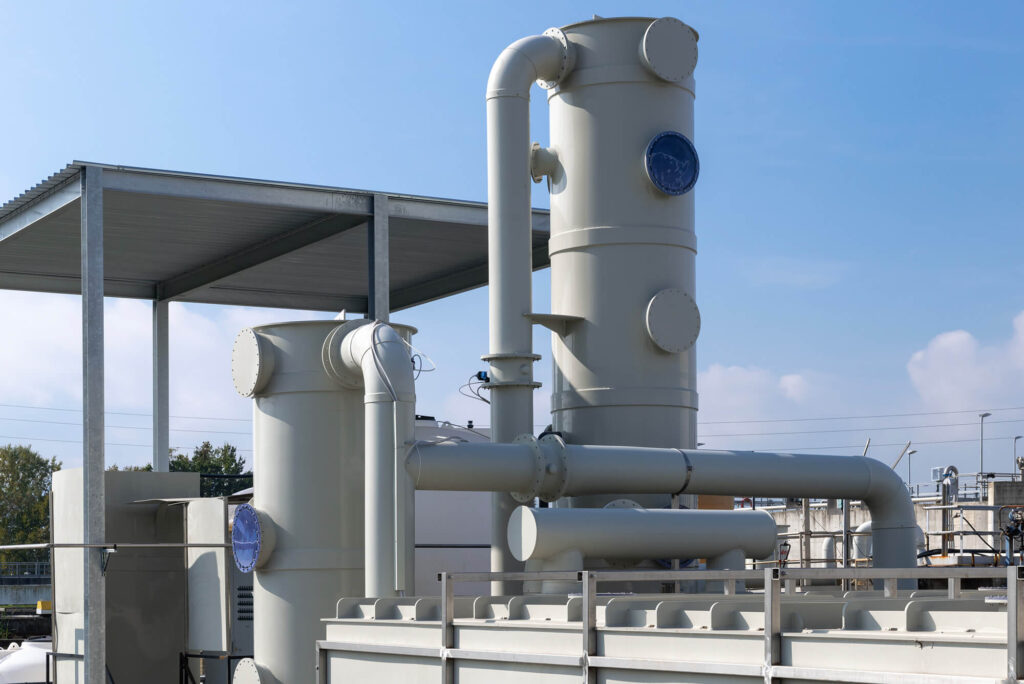
CASE STUDY: odour abatement and treatment for wastewater
WASTEWATER ODOUR ABATEMENT
Treating industrial wastewater and municipal wastewater is an essential process for protecting the environment and the health of residents living near the site. Wastewater must be purified, both so that it can be reused and to meet environmental protection parameters. Some processes and machinery commonly used in various industrial settings can generate significant nuisance odour emissions. Below we present one of the systems designed by BMB Purification to abate and treat odours from wastewater.

CLIENT’S NEED
Abatement of nuisance odours
Abatement of H₂S

TECHNOLOGY EMPLOYED
Biofilter
Scrubbing tower

POLLUTANTS ABATEMENT
Odour removal: ≥ 98%
H₂S (hydrogen sulphide) removal: ≥ 99%

STRENGTHS
Energy efficiency
Compact design
that others are unable to handle.
AMONG OUR CLIENTS

















THE CONTEXT
In most wastewater treatment plants, the substances responsible for odour nuisance are ammonia (NH3), hydrogen sulphide (H2S) and mercaptans (RSH). These substances can be detected by the human nose even at very low concentrations and are responsible for unpleasant, nuisance odours.
THE PLANT
CHALLENGES
OPTIMISE AND SIMPLIFY
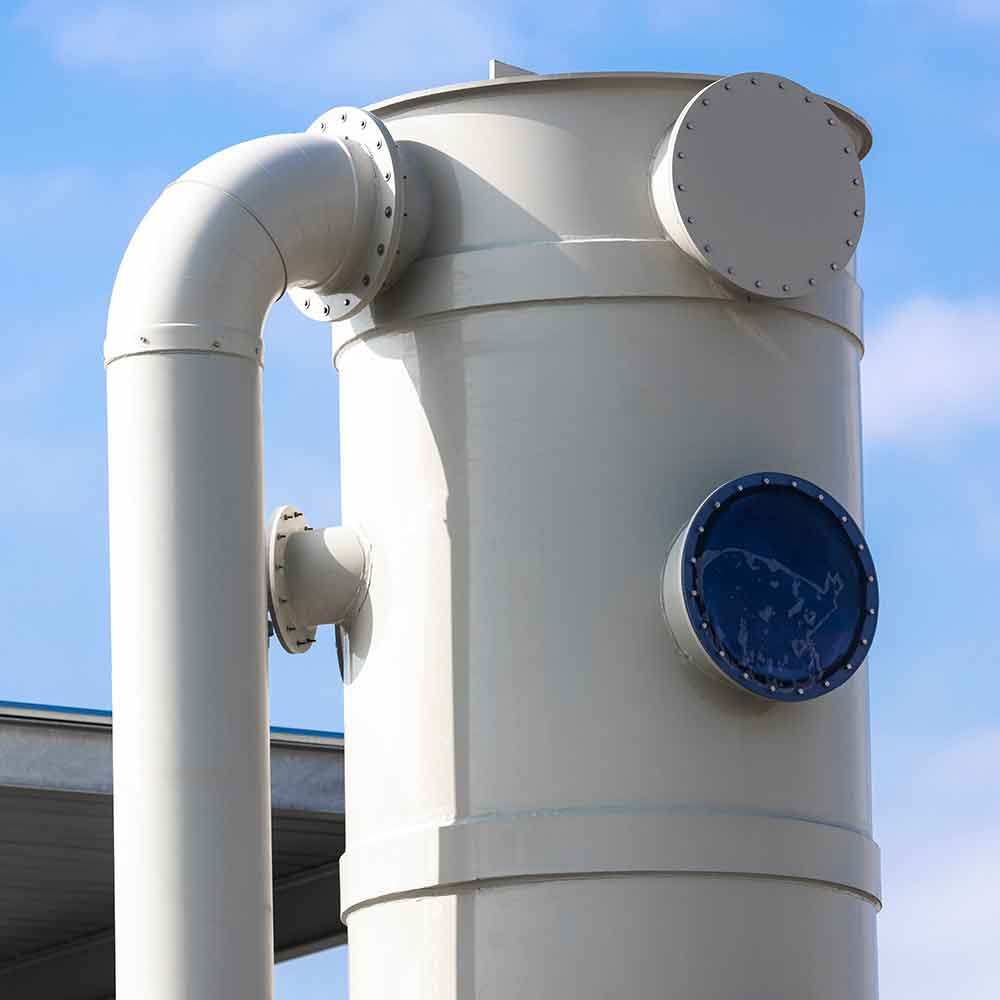
Limited space, high performance requirements, the presence of other plants, interference and the need to keep the plant running 24/7 are just some of the challenges BMB systems have to deal with. In this case, the goal was to achieve almost total removal efficiency combined with plant management that was simple and cost-effective.
SOLUTION
BUILDING A CUSTOM TREATMENT SYSTEM
We built an optimised, highly automated treatment system with customised parameter control, remote monitoring and an alarm system to flag when maintenance is needed.
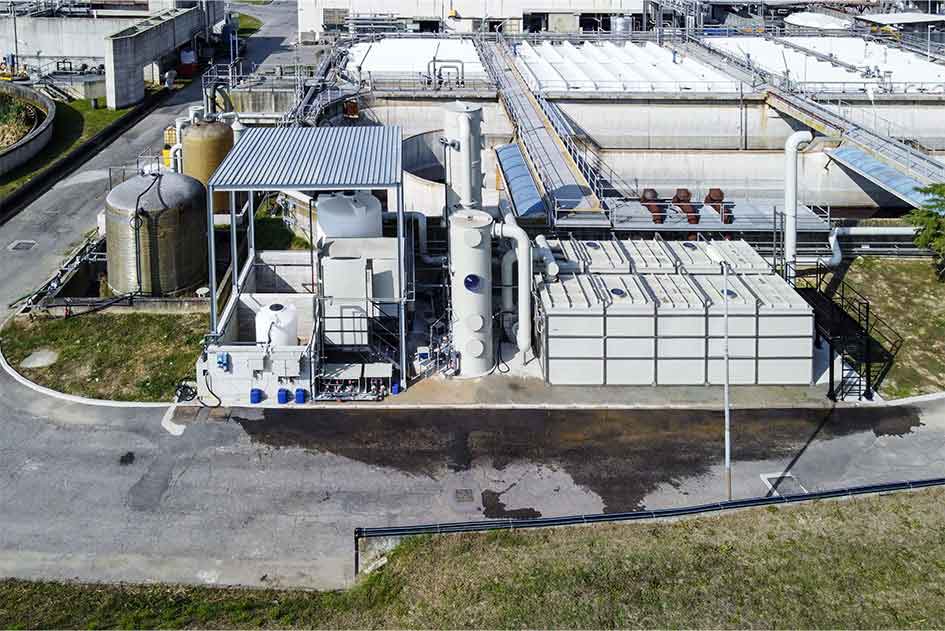
The system is arranged as follows:
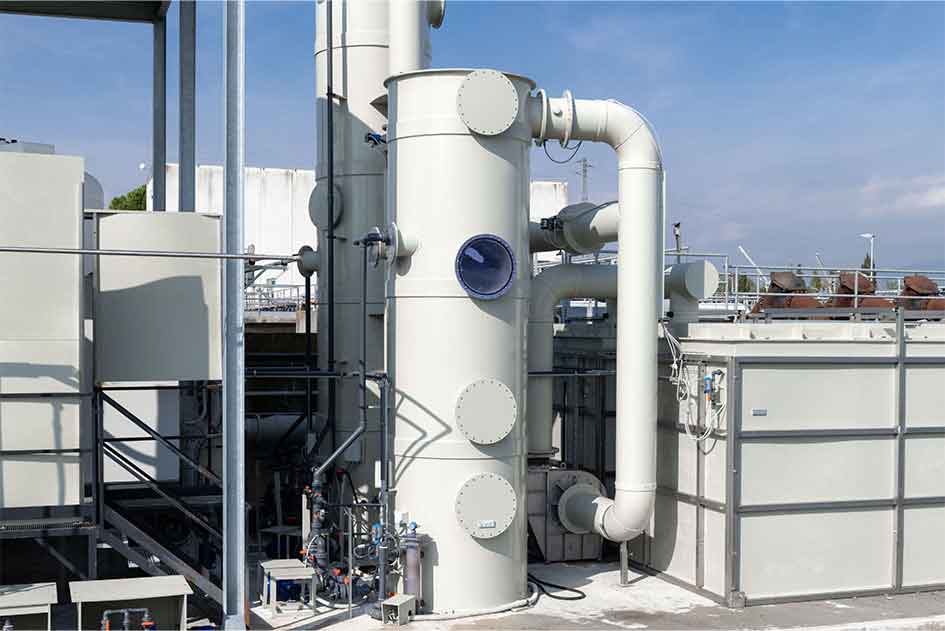
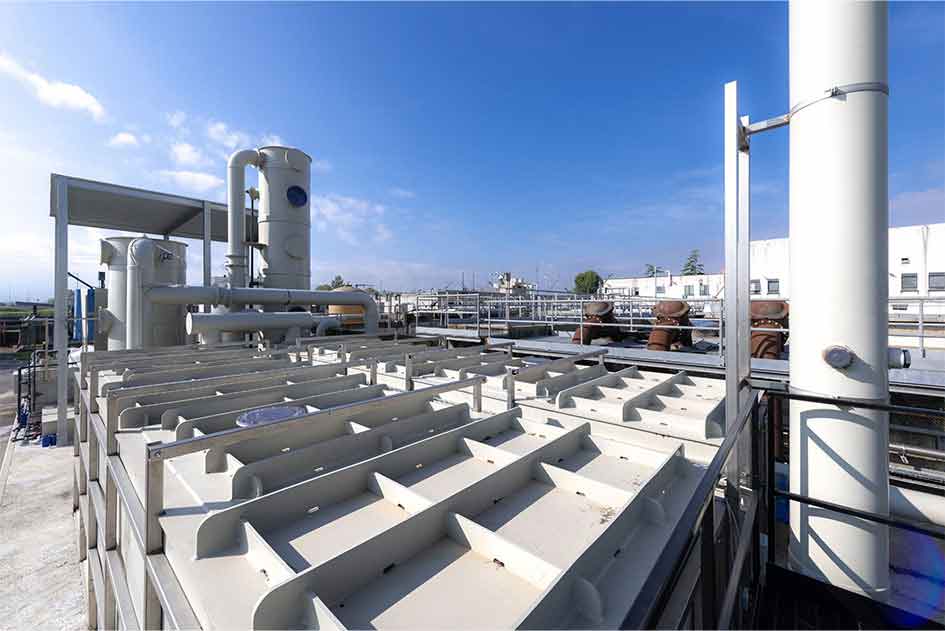
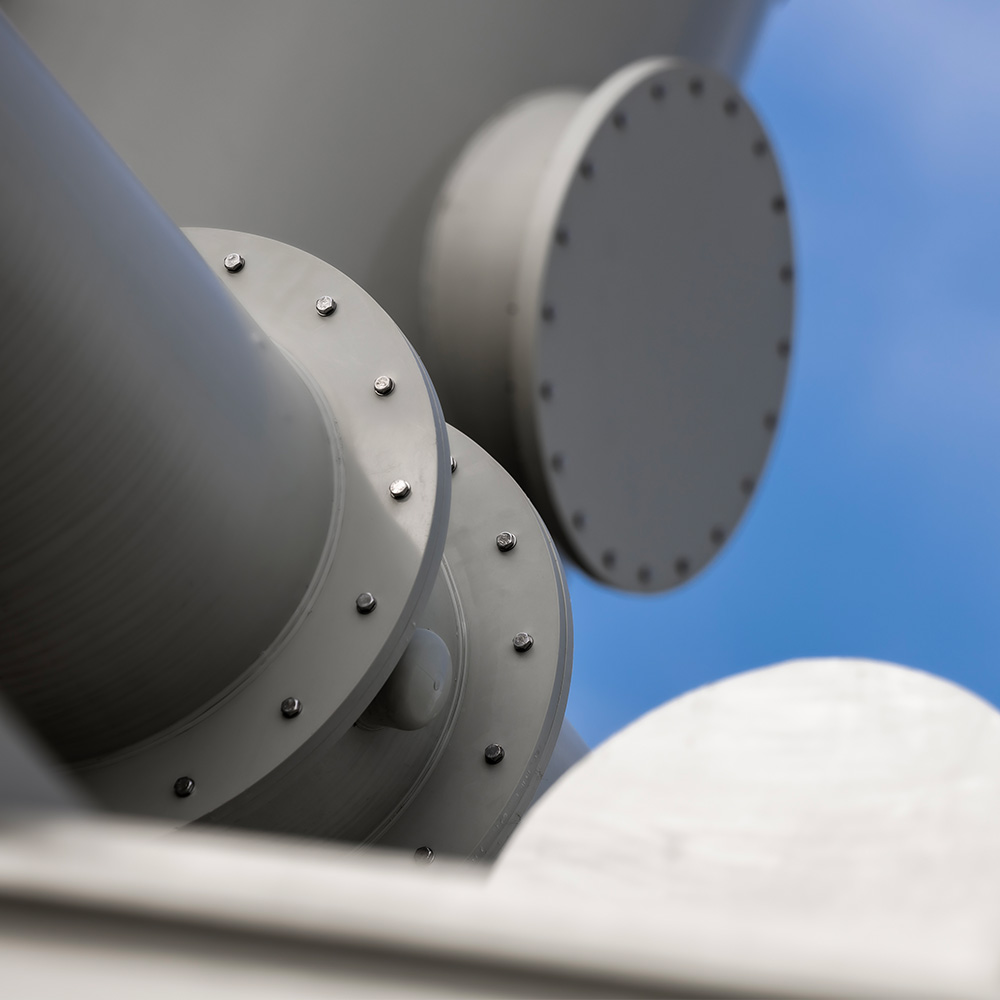
the polluted air stream passes through two wet scrubbing towers (scrubbers) that remove acidic compounds (hydrogen sulphide, H2S); the odours are then removed in a biofiltration unit.
MANUFACTURING AND INSTALLATION
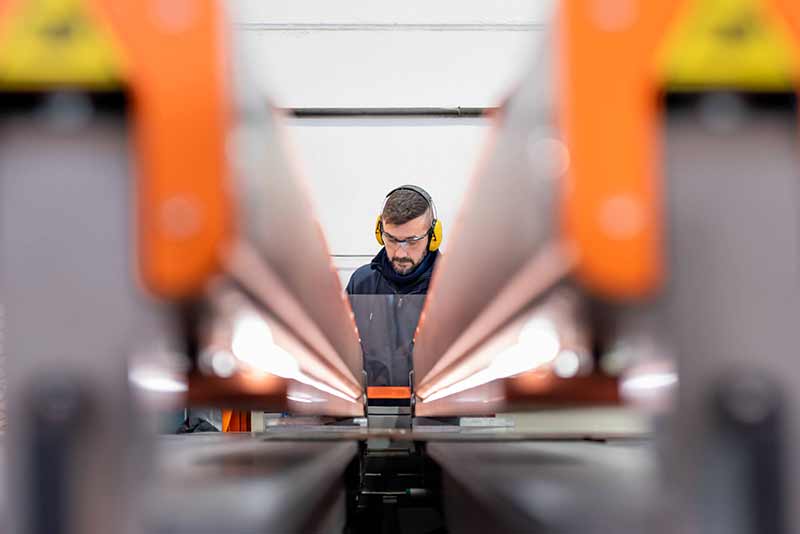
Each plant produced by BMB is designed, built and tested in-house. The installation is planned and carried out by our specialised technicians.

MAINTENANCE ASSISTANCE
BMB offers a complete, customised assistance and maintenance service for its plants: routine maintenance, call-out availability for extraordinary work and remote monitoring.
PLANT DESIGN
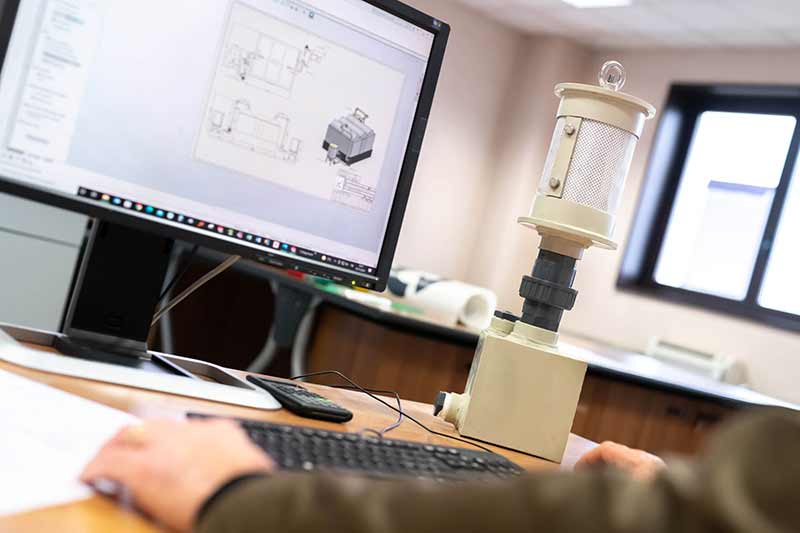
Our plants are designed in compliance with the latest legal and engineering standards and tailored to each client’s needs to optimise the investment.
FAQs: Questions and answers about odour treatment systems for industrial wastewater
What are wastewater odour abatement systems?
Wastewater odour abatement systems eliminate the nuisance emissions generated during wastewater treatment. They use technologies such as scrubbing towers, which neutralise acidic compounds, and biofilters, in which microorganisms break down odorous substances. These systems achieve odour abatement efficiencies above 98%, improving the quality of the surrounding air.
How does an odour treatment system for industrial wastewater work?
An odour treatment system for industrial wastewater uses scrubbing towers to neutralise acidic compounds such as H₂S, and biofilters in which microorganisms break down odorous substances. The treated air is then released, ensuring high efficiency and optimal air quality.
What are the main benefits of installing a wastewater odour abatement system at my site?
Odour abatement systems improve air quality by effectively reducing nuisance odours and creating a healthier working environment. They also help companies comply with environmental regulations and avoid penalties. Thanks to their energy efficiency and low maintenance requirements, they are a sustainable, cost-effective solution over the long term.
How are odours and H₂S abated at a wastewater plant?
Wastewater management often leads to the formation of nuisance odours and hydrogen sulphide (H₂S) in treatment tanks. Tackling this requires continuous 24/7 operation and integration with plants that are already running, often where space is limited.
To solve these issues, the technical solution uses two scrubbing towers (scrubbers) to abate acidic compounds, followed by a biofiltration unit to treat residual odours. The whole system is fully automated and equipped with remote monitoring to ensure maximum operational stability.
Results:
- 98% of odours abated
- 99% of H₂S removed
- Compact, low-energy plant

