

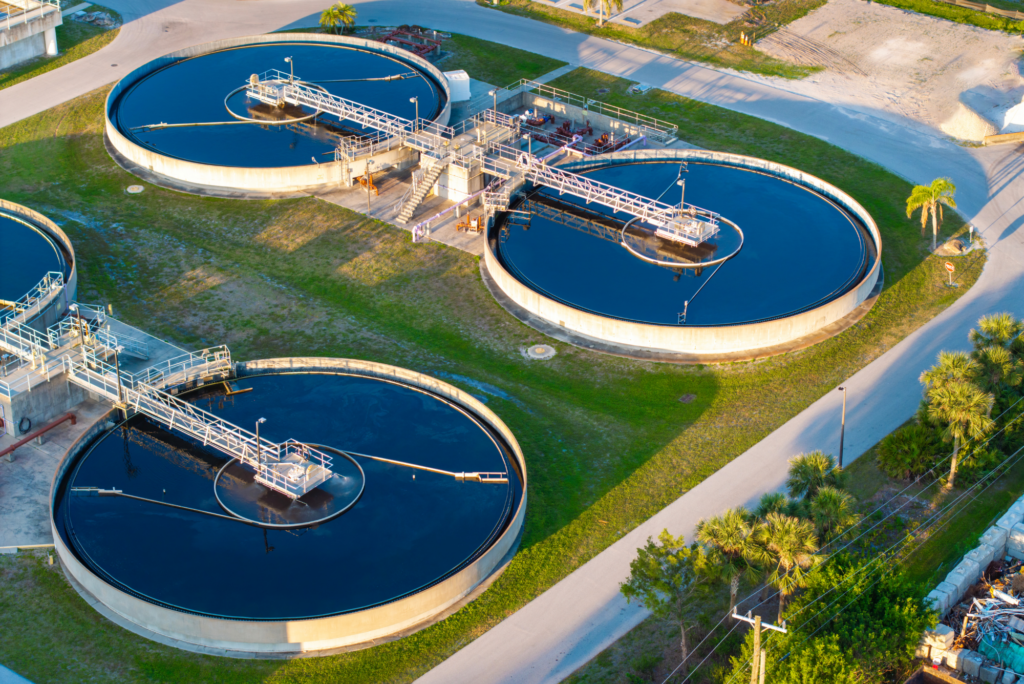
CASE STUDY: industrial odour treatment
ODOUR SURVEY
Some industrial production waste – especially in the food industry – can cause odour and disposal problems that are often very costly to solve, in terms of money as well as time and resources. Manure, foul-smelling waste and unwanted by-products are just some examples of odour sources whose problems BMB solves every day with its industrial odour treatment and air purification solutions for food plants.

CLIENT’S NEED
Identifying the causes and sources of nuisance industrial odours, then treating and eliminating them.

TECHNOLOGY EMPLOYED
Dynamic olfactometry with a sensory analyser combined with an anemometric station and an odour dispersion model.

RESULTS
The sources with the greatest impact were identified, making it possible to plan a sequence of targeted measures to reduce the odour load, starting with the sources most perceived outside the site.
that others are unable to handle.
AMONG OUR CLIENTS



















WHY A PRELIMINARY SURVEY CHANGES THE OUTCOME OF THE PROJECT
Many suppliers propose an abatement system as their first answer. BMB Purification works differently: diagnosis first, then treatment. Over 70% of our projects are carried out on existing plants that are already in operation, where there is no room for getting the starting point wrong. A preliminary odour survey is the method we use when the complexity of the situation, as in this case, means we need to understand the problem before acting.
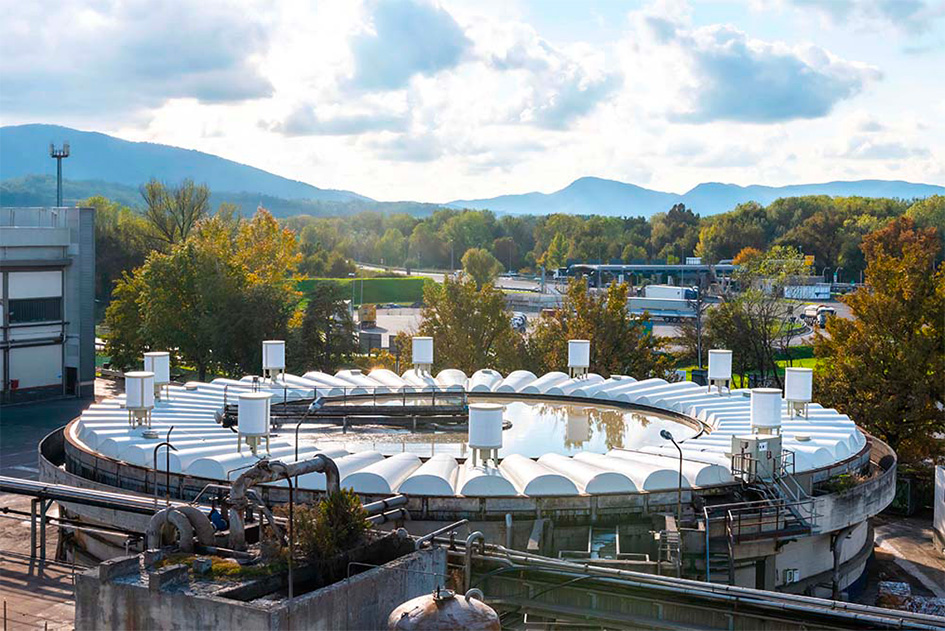
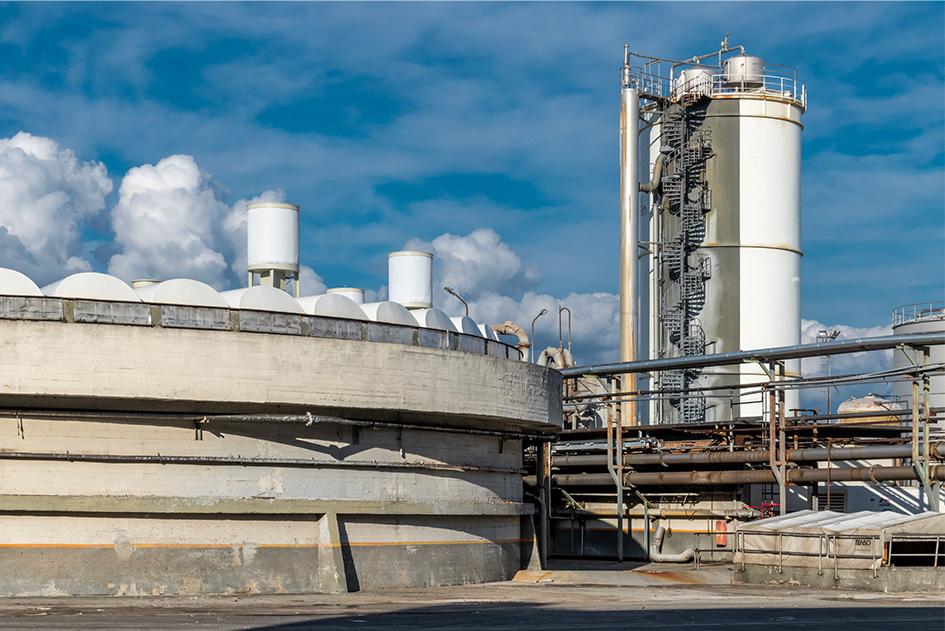
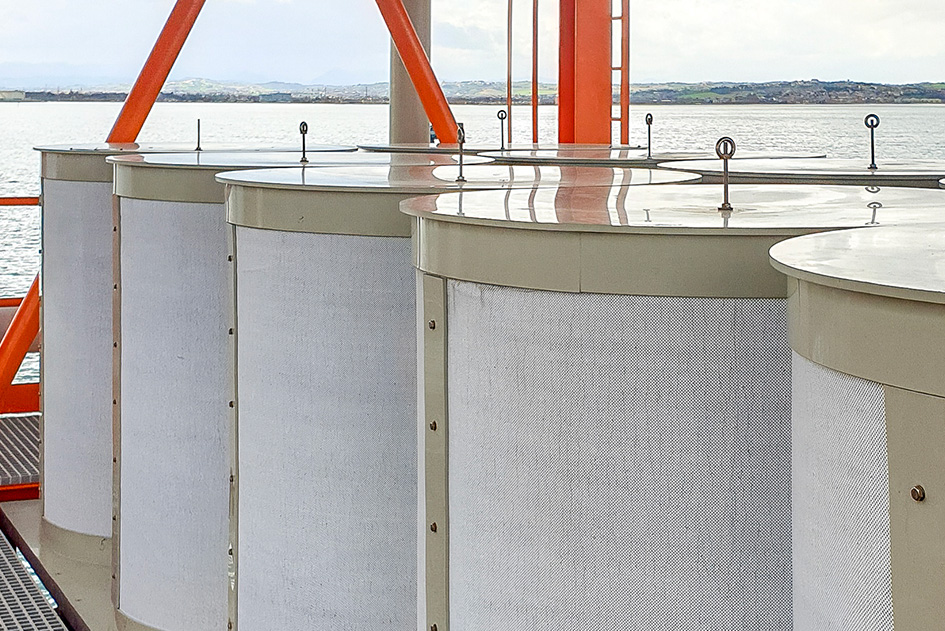
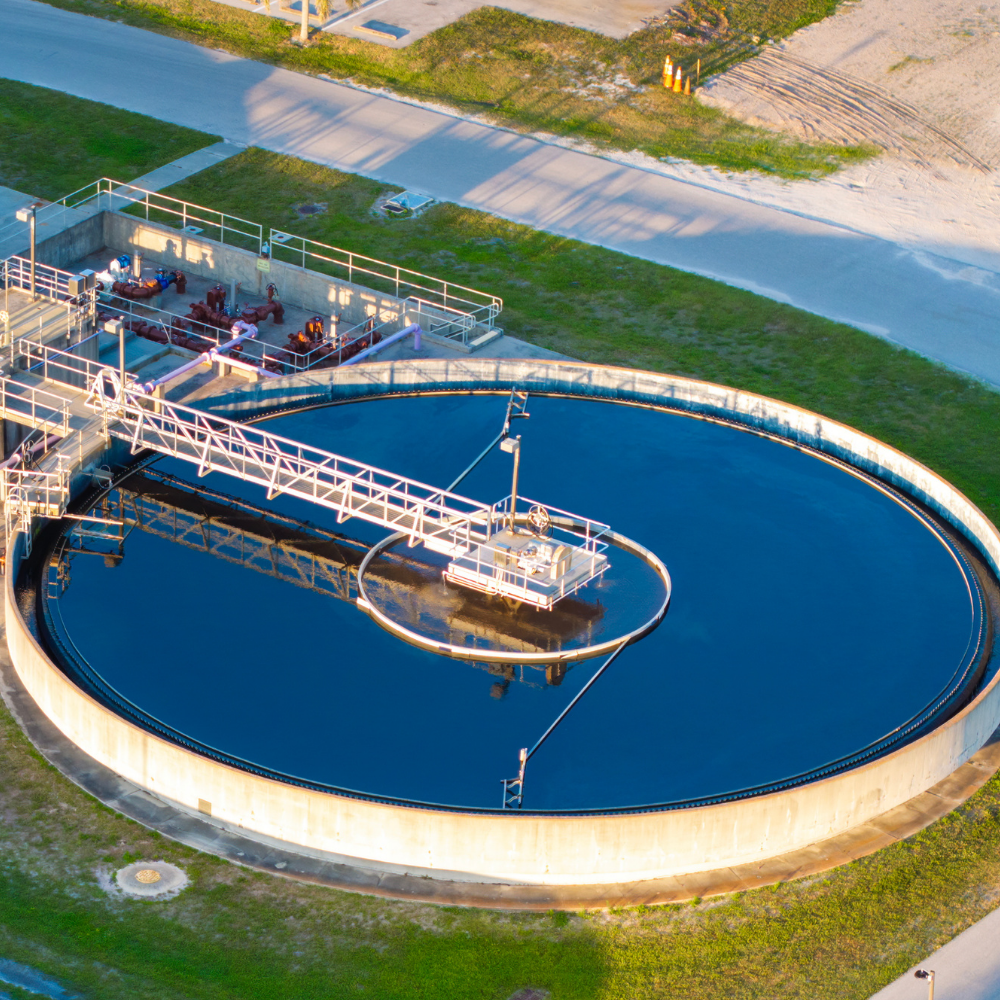
IDENTIFYING ODOUR IMPACTS THROUGH DYNAMIC OLFACTOMETRY OF INDIVIDUAL SOURCES
SOLUTIONS ADOPTED
We carried out an odour survey using both dynamic olfactometry and a sensory analyser combined with an anemometric station and an odour dispersion model.
The solution includes:
- Identification of odour impacts through dynamic olfactometry of individual sources;
- Characterisation of the odour fingerprint of each source;
- Search for the sources most perceived outside the site.
RESULTS
The sources with the greatest impact outside the site were identified and ranked by priority. Based on this mapping, the client received a sequence of targeted measures to reduce the odour load, starting with what really affects the neighbours rather than what “seems” to smell worst inside the plant.

MANUFACTURING AND INSTALLATION
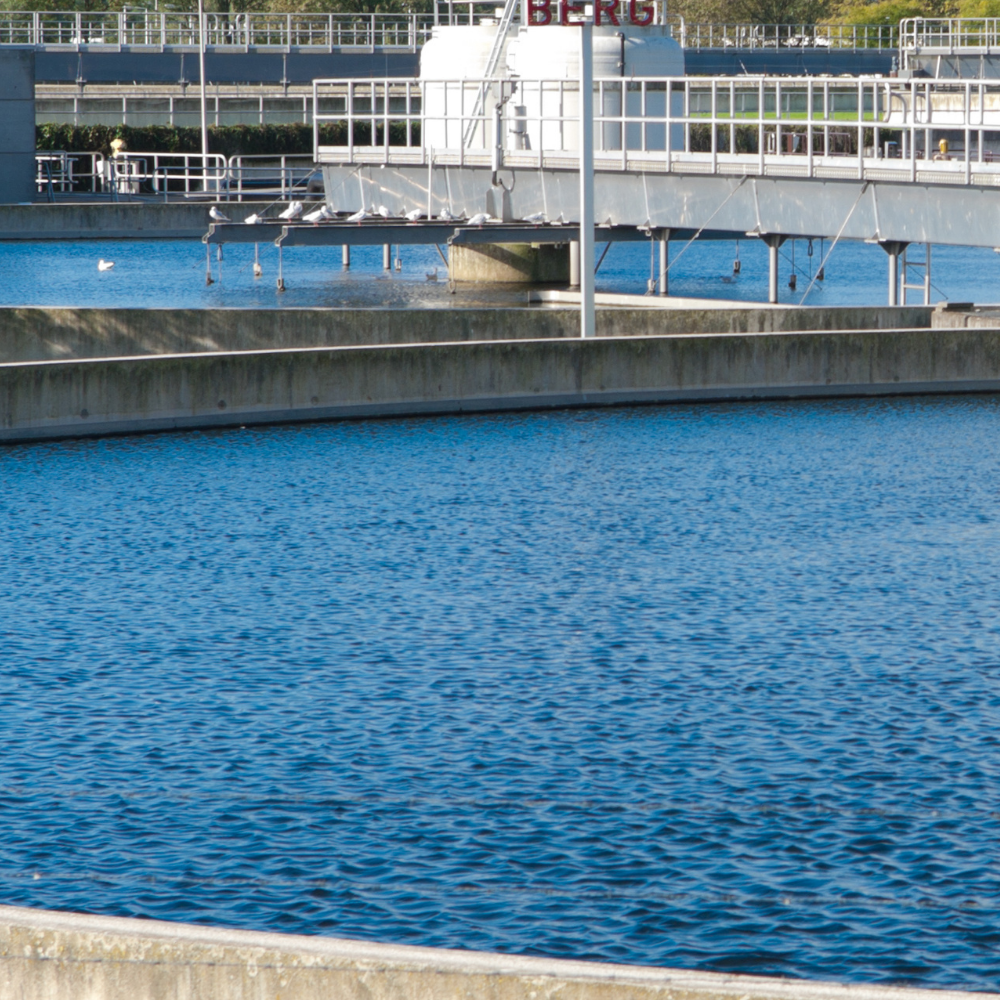
Each plant produced by BMB is designed, built and tested in-house. The installation is planned and carried out by our specialised technicians.

MAINTENANCE ASSISTANCE
BMB offers a complete, customised assistance and maintenance service for its plants: routine maintenance, call-out availability for extraordinary work and remote monitoring.
PLANT DESIGN
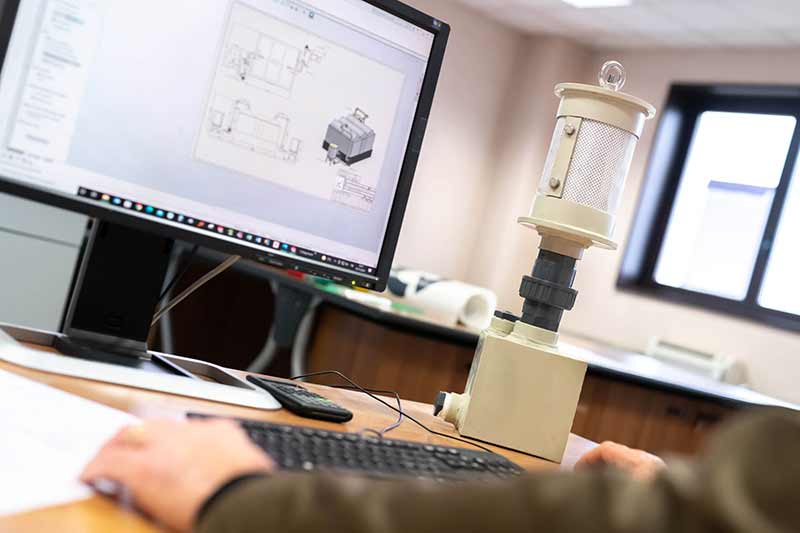
Our plants are designed in compliance with the latest legal and engineering standards and tailored to each client’s needs to optimise the investment.
FAQs: Questions and answers
How are odour sources identified at a wastewater treatment plant?
Through an odour survey that combines four tools: dynamic olfactometry to quantify odour units, odour fingerprint characterisation to distinguish odour profiles, a sensory analyser with an anemometric station for continuous monitoring, and a dispersion model to simulate how odour spreads outside the site. Only by cross-referencing these data is it possible to tell the most intense sources inside the plant apart from those actually perceived by the neighbours.
Why is it worth carrying out an odour survey before installing a treatment system?
In many industrial settings, such as a food company, odours can be noticeable outside without their exact origin being clear. Installing an abatement system without a prior diagnosis risks investing resources in the wrong places.
To avoid this, a thorough odour survey is carried out using dynamic olfactometry, a sensory analyser, an anemometric station and dispersion models. This analytical approach makes it possible to measure the real impact of each source accurately and avoid waste.
Results:
- Sources identified and ranked by priority
- Targeted measures at the points with the greatest economic and environmental impact

